Where our knowledge come from?
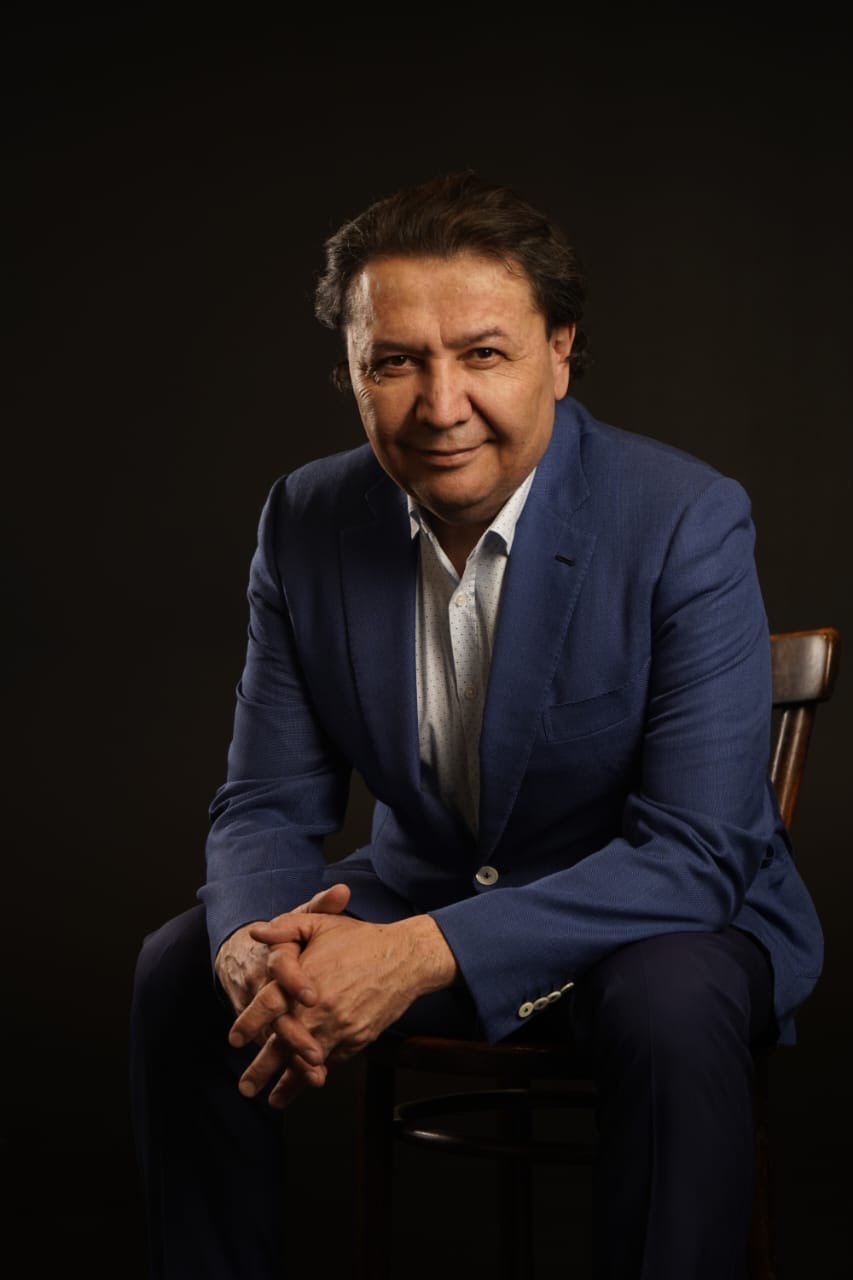
1. The knowledge base of Turlybekov Murat Kenesovich, Honorary Academician of the CAP of the Republic of Kazakhstan.
2. The knowledge base of the “Iodine Project” of Professor Guy Abraham and his team of students from the USA. In the photo, he is on the right.

3. The global data network used in training the AI ChatGPT as a source of medical information: a scale of knowledge without borders. ChatGPT is an artificial intelligence system trained on a vast corpus of textual data, including scientific publications, medical guidelines, educational materials, professional articles, international clinical recommendations, and academic sources in various languages worldwide.
Unlike a single specialist who is shaped within a specific educational school, country, and linguistic environment, ChatGPT was trained on materials reflecting approaches from different medical traditions, scientific schools, and research directions. This means access to the aggregated experience of global official medicine, rather than knowledge limited to one training system or one language. The model is capable of: comparing different international approaches to diagnosis and treatment; explaining medical concepts with consideration of various schools and terminological traditions; synthesizing data from scientific publications from different countries; translating complex professional information into understandable language.
It is important to emphasize: ChatGPT does not literally contain “all medical knowledge” and is not a substitute for a physician. It does not diagnose or make clinical decisions. However, in terms of the scale of training materials, it is a tool that goes far beyond the individual professional experience of any single scientist or doctor.
If a specialist's knowledge is limited by their practice, language, and professional environment, ChatGPT draws on a body of texts created by thousands of authors, researchers, and medical organizations worldwide. This makes it a powerful tool for initial familiarization with medical information, analysis of different perspectives, and preparation for an informed dialogue with a physician. Its key advantage lies in its breadth, multilingual scope, and ability to integrate fragmented knowledge into a unified and comprehensible picture.