Organs we affect
Click a system to reveal details.
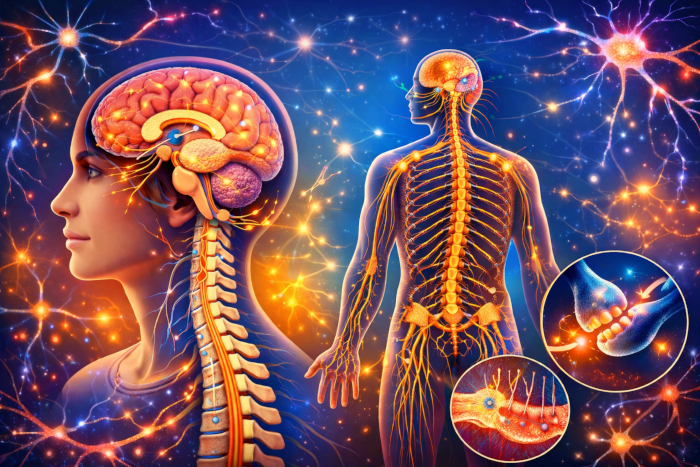
Nervous System
- brain
- spinal cord
- cranial nerves
- spinal nerves
- ganglia
- nerve endings
- hypothalamus
- thalamus
Mechanism of action (MOA)
Our nano-iodine contains its main component — iodine. This iodine serves as a source of iodine for the thyroid gland, which is necessary for the synthesis of the hormones T3 (triiodothyronine) and T4 (tetraiodothyronine, or thyroxine). Thus, our nano-iodine, as an iodine-containing preparation, helps normalize the quality and levels of thyroid hormones T3 (triiodothyronine) and T4 (tetraiodothyronine, or thyroxine).
In addition, our iodine preparation acts as a supplier of non-hormonal iodine to every cell of the body, since each cell contains the NIS receptor (sodium-iodide symporter). This, in turn, contributes to the proper functioning and reproduction of mitochondria in every cell of the body.
T3 and T4 hormones' influence on Nervous System
Triiodothyronine (T3) and Thyroxine (T4) are the main hormones produced by the Thyroid gland. They have a major effect on the Human nervous system by regulating metabolism in neurons, signal transmission, and brain development.
1. Brain development
🧠 T3 and T4 are especially important during fetal development and childhood.
They:
- stimulate growth and differentiation of neurons
- participate in the formation of synapses (connections between nerve cells)
- help form the myelin sheath of nerve fibers
- influence intelligence, memory, and attention
A deficiency of these hormones in children can lead to:
- delayed mental development
- reduced cognitive abilities
- a severe condition called Cretinism.
2. Speed of nervous system activity
T3 and T4 regulate neuronal excitability and the speed of nerve impulse transmission.
If hormone levels are too high (Hyperthyroidism):
- increased nervous excitability
- anxiety
- irritability
- insomnia
- hand tremor
- emotional instability
If hormone levels are too low (Hypothyroidism):
- slowed thinking
- apathy
- sleepiness
- memory impairment
- depressive states.
3. Effect on neurotransmitters
T3 affects several neurotransmitters:
- Serotonin — mood regulation
- Dopamine — motivation and reward
- Norepinephrine — alertness and stress response
Therefore, thyroid disorders are often associated with emotional and psychological changes.
4. Influence on the autonomic nervous system
T3 and T4 increase tissue sensitivity to Adrenaline.
This leads to:
- increased heart rate
- stronger stress response
- increased activity of the sympathetic nervous system.
✅ In summary:
T3 and T4 regulate:
- brain development
- speed of thinking
- mood
- stress response
- excitability of the nervous system.
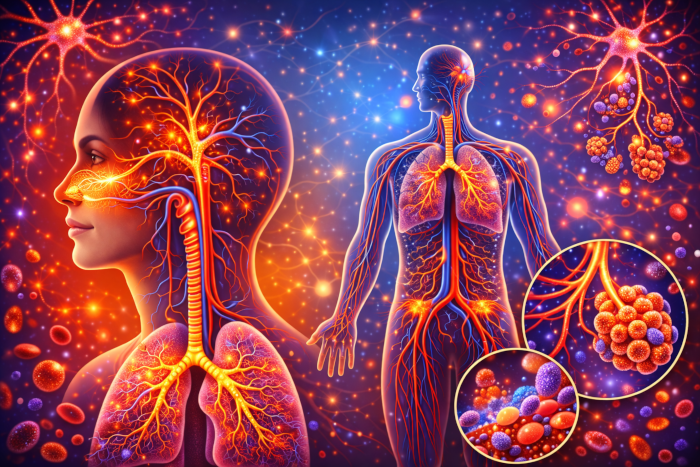
Respiratory System
- nose
- nasal cavity
- pharynx
- larynx
- trachea
- bronchi
- bronchioles
- lungs
- alveoli
Mechanism of action (MOA)
Our nano-iodine contains its main component — iodine. This iodine serves as a source of iodine for the thyroid gland, which is necessary for the synthesis of the hormones T3 (triiodothyronine) and T4 (tetraiodothyronine, or thyroxine). Thus, our nano-iodine, as an iodine-containing preparation, helps normalize the quality and levels of thyroid hormones T3 (triiodothyronine) and T4 (tetraiodothyronine, or thyroxine).
In addition, our iodine preparation acts as a supplier of non-hormonal iodine to every cell of the body, since each cell contains the NIS receptor (sodium-iodide symporter). This, in turn, contributes to the proper functioning and reproduction of mitochondria in every cell of the body.
Respiratory System and T3 and T4
Thyroid hormones T3 (triiodothyronine) and T4 (thyroxine) have a significant influence on the respiratory system because they regulate metabolism, oxygen consumption, and the function of respiratory muscles. Let us consider the main effects.
1. Increased oxygen consumption
T3 and T4 increase the basal metabolic rate in all tissues of the body.
This leads to the following:
- cells begin to consume more oxygen (O₂);
- the production of carbon dioxide (CO₂) increases.
As a result, the respiratory system responds with:
- an increased breathing rate,
- an increase in the depth of breathing,
in order to supply the body with oxygen and remove CO₂.
2. Stimulation of the respiratory center
T3 and T4 hormones increase the sensitivity of the respiratory center in the medulla oblongata to CO₂.
This causes:
- strengthening of the respiratory reflex;
- more active ventilation of the lungs.
Therefore, when hormone levels are elevated (hyperthyroidism), the following may occur:
- rapid breathing,
- a feeling of shortness of breath.
3. Effect on respiratory muscles
Thyroid hormones affect:
- the strength and tone of respiratory muscles (diaphragm and intercostal muscles);
- energy metabolism in muscle tissue.
With normal hormone levels:
- muscles function efficiently.
In disorders:
- hyperthyroidism → muscle weakness and fatigue of respiratory muscles;
- hypothyroidism → decreased strength of respiratory muscles and hypoventilation.
4. Effect on lung ventilation
T3 and T4 contribute to:
- an increase in the minute volume of respiration;
- improved alveolar ventilation.
This helps maintain gas exchange in accordance with the increased energy demands of the body.
5. Clinical manifestations in disorders
In hyperthyroidism:
- rapid breathing (tachypnea);
- shortness of breath;
- increased lung ventilation.
In hypothyroidism:
- slowed breathing;
- decreased lung ventilation;
- sometimes development of hypoventilation.
✅ Conclusion:
T3 and T4 hormones regulate the respiratory system through:
- increasing tissue demand for oxygen,
- stimulation of the respiratory center,
- effects on respiratory muscles,
- enhancement of lung ventilation.
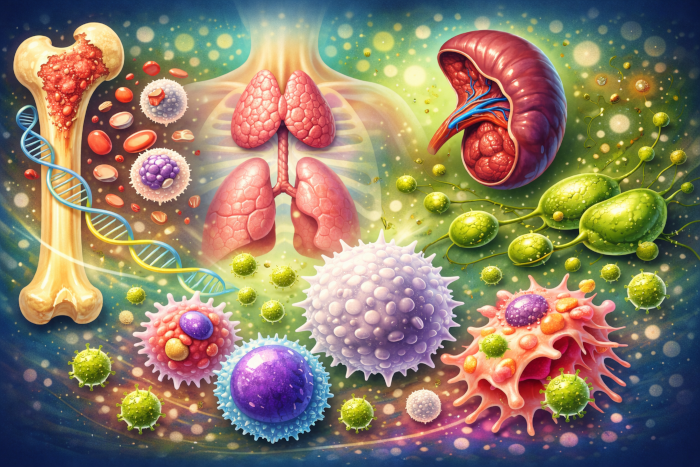
Immune System
- bone marrow
- thymus
- spleen
- lymph nodes
- tonsils
- lymphocytes
- leukocytes
Mechanism of action (MOA)
Our nano-iodine contains its main component — iodine. This iodine serves as a source of iodine for the thyroid gland, which is necessary for the synthesis of the hormones T3 (triiodothyronine) and T4 (tetraiodothyronine, or thyroxine). Thus, our nano-iodine, as an iodine-containing preparation, helps normalize the quality and levels of thyroid hormones T3 (triiodothyronine) and T4 (tetraiodothyronine, or thyroxine).
In addition, our iodine preparation acts as a supplier of non-hormonal iodine to every cell of the body, since each cell contains the NIS receptor (sodium-iodide symporter). This, in turn, contributes to the proper functioning and reproduction of mitochondria in every cell of the body.
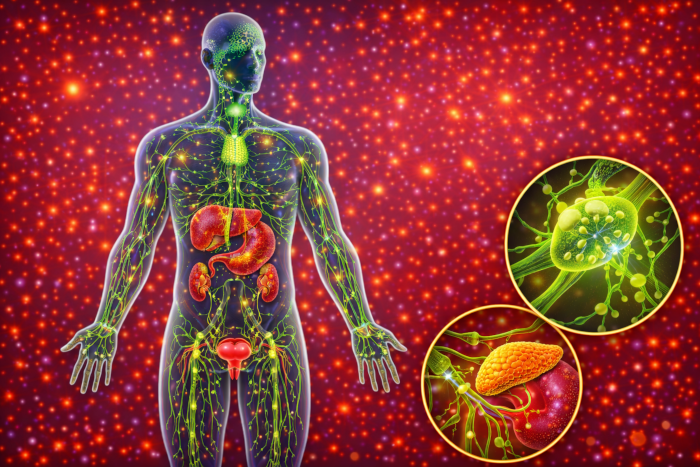
Relationship of T3 and T4 Hormones with the Immune System
Thyroid hormones — Triiodothyronine (T3) and Thyroxine (T4) — have a significant regulatory effect on the organs and cells of the immune system. They participate in the development of immune organs, control the activity of immune cells, influence the molecular mechanisms of immune responses, and are closely associated with the development of autoimmune diseases.
The influence of these hormones begins at the level of immune system organs. T3 and T4 support the normal functioning of the thymus, bone marrow, spleen, and lymph nodes. In the thymus, they stimulate the maturation and differentiation of T-lymphocytes, which is essential for the formation of cellular immunity. In the bone marrow, thyroid hormones participate in the regulation of hematopoiesis and the formation of B-lymphocytes and other immune cells. In the spleen and lymph nodes, they enhance lymphocyte proliferation and the activity of immune reactions.
At the cellular level, T3 and T4 regulate the functions of various immune cells. They enhance the differentiation and activity of T-lymphocytes, stimulate B-lymphocytes to synthesize antibodies, increase the phagocytic activity of macrophages, and strengthen the cytotoxic function of NK cells. As a result, the effectiveness of antiviral and antibacterial immune responses increases. In addition, thyroid hormones influence the synthesis of cytokines — signaling molecules of the immune system — regulating the production of interleukins, interferons, and other inflammatory mediators.
The molecular mechanism of T3 action on immune cells is related to its interaction with intracellular receptors. The main active hormone is T3, which enters the cell through specialized membrane transport proteins. In the cytoplasm or nucleus of the cell, it binds to nuclear thyroid hormone receptors (TR-α and TR-β). The “T3–receptor” complex interacts with specific regions of DNA called thyroid hormone response elements, leading to the activation or suppression of the transcription of various genes. In immune cells, this results in changes in the expression of genes that regulate lymphocyte proliferation, cytokine synthesis, and the production of receptors and enzymes. In addition to genomic mechanisms, rapid non-genomic effects of T3 also exist, associated with the activation of intracellular signaling pathways such as MAPK and PI3K. These pathways enhance the metabolic activity and functional responsiveness of immune cells.
The thyroid gland is also closely related to autoimmunity. Normally, the immune system must recognize the body’s own tissues and avoid attacking them. However, when immunological tolerance is disrupted, antibodies against components of the thyroid gland may be produced. This leads to the development of autoimmune diseases such as Hashimoto’s thyroiditis and Graves’ disease. In Hashimoto’s thyroiditis, the immune system produces antibodies against thyroid peroxidase and thyroglobulin, which leads to chronic inflammation, gradual destruction of thyroid tissue, and the development of hypothyroidism. In Graves’ disease, stimulating antibodies against the thyroid-stimulating hormone receptor are produced, causing excessive stimulation of the thyroid gland and the development of hyperthyroidism.
The relationship between thyroid hormones and autoimmunity is bidirectional. On one hand, disturbances in immune regulation may lead to autoimmune damage to the thyroid gland. On the other hand, changes in T3 and T4 levels can influence the activity of the immune system, either enhancing or suppressing immune responses. For example, in hyperthyroidism there is increased activation of immune cells and higher production of cytokines, which may contribute to autoimmune processes. In hypothyroidism, in contrast, immune activity may decrease.
Thus, thyroid hormones play an important role in maintaining immune homeostasis. They regulate the development and function of immune organs, control the activity of immune cells at the molecular level, and participate in mechanisms that may lead to autoimmune diseases. Their action demonstrates the close relationship between the endocrine and immune systems of the body.
Lymphatic System
- lymph
- lymphatic capillaries
- lymphatic vessels
- lymph nodes
- spleen
- thymus
- tonsils
- thoracic duct
Mechanism of action (MOA)
Our nano-iodine contains its main component — iodine. This iodine serves as a source of iodine for the thyroid gland, which is necessary for the synthesis of the hormones T3 (triiodothyronine) and T4 (tetraiodothyronine, or thyroxine). Thus, our nano-iodine, as an iodine-containing preparation, helps normalize the quality and levels of thyroid hormones T3 (triiodothyronine) and T4 (tetraiodothyronine, or thyroxine).
In addition, our iodine preparation acts as a supplier of non-hormonal iodine to every cell of the body, since each cell contains the NIS receptor (sodium-iodide symporter). This, in turn, contributes to the proper functioning and reproduction of mitochondria in every cell of the body.
The connection between the hormones Triiodothyronine (T3) and Thyroxine (T4) and the lymphatic system occurs through immunity, fluid metabolism, and tissue function. Below are the main mechanisms. 🧬
1. Effect of T3 and T4 on the immune system
The lymphatic system is closely connected with immunity (lymph nodes, lymphocytes, spleen).
Thyroid hormones:
- regulate the maturation of lymphocytes
- influence the activity of T-cells and B-cells
- can enhance or suppress inflammatory reactions
For example:
In hypothyroidism
↓ the activity of immune cells decreases
↓ the response of the lymphatic system weakens
In hyperthyroidism
↑ immune activity increases
↑ autoimmune processes occur more frequently
2. Effect on lymph movement
T3 and T4 regulate tissue metabolism and vascular tone.
This affects:
- microcirculation
- capillary permeability
- formation of interstitial fluid
As a result:
When hormone levels are low (hypothyroidism)
→ fluid retention
→ lymphatic stagnation
→ edema and myxedema
When hormone levels are high (hyperthyroidism)
→ metabolism accelerates
→ blood flow and lymph flow increase
3. Connection with lymphatic organs
Thyroid hormones influence the activity of:
- lymph nodes
- spleen
- thymus
T3 is especially important for:
- differentiation of immune cells
- regulation of cytokines
- maintaining a normal immune response
4. Autoimmune thyroid diseases
Many thyroid diseases arise from immune reactions occurring within the lymphatic system.
Main examples:
- Hashimoto’s disease
- Graves’ disease
In these conditions, lymphocytes:
- infiltrate the thyroid gland
- produce antibodies
- disrupt the production of T3 and T4
✅ Conclusion
The connection between T3/T4 and the lymphatic system occurs through three main mechanisms:
1. regulation of immune cells
2. influence on fluid balance and lymph flow
3. involvement of the lymphatic system in autoimmune thyroid diseases
Urinary System
- kidneys
- ureters
- urinary bladder
- urethra
Mechanism of action (MOA)
Our nano-iodine contains its main component — iodine. This iodine serves as a source of iodine for the thyroid gland, which is necessary for the synthesis of the hormones T3 (triiodothyronine) and T4 (tetraiodothyronine, or thyroxine). Thus, our nano-iodine, as an iodine-containing preparation, helps normalize the quality and levels of thyroid hormones T3 (triiodothyronine) and T4 (tetraiodothyronine, or thyroxine).
In addition, our iodine preparation acts as a supplier of non-hormonal iodine to every cell of the body, since each cell contains the NIS receptor (sodium-iodide symporter). This, in turn, contributes to the proper functioning and reproduction of mitochondria in every cell of the body.
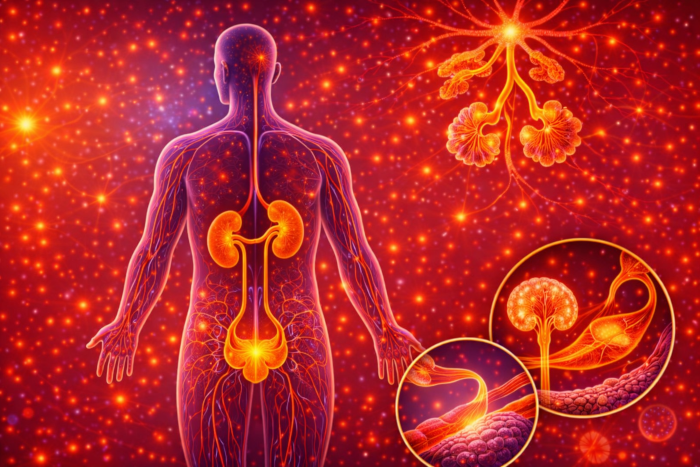
Triiodothyronine (T3) and Thyroxine (T4) are hormones produced by the thyroid gland. They affect almost the entire body, including the urinary system (kidneys, ureters, and urinary bladder). Their connection is manifested through several mechanisms.
1. Effect on kidney function
T3 and T4 regulate the speed of kidney function.
Main effects:
- Increase renal blood flow
- Increase the glomerular filtration rate (GFR)
- Enhance urine production
If there are too many hormones (hyperthyroidism):
- the kidneys filter blood faster
- urine volume may increase
If there are too few hormones (hypothyroidism):
- blood filtration decreases
- fluid may be retained in the body
- urine production may sometimes decrease
2. Effect on water–salt balance
T3 and T4 help regulate:
- sodium levels
- potassium levels
- water balance in the body
In hypothyroidism, the following may occur:
- water retention
- edema
- decreased excretion of fluid by the kidneys
3. Influence on hormones related to the kidneys
Thyroid hormones also interact with other hormonal systems:
- renin
- aldosterone
- antidiuretic hormone
These hormones control:
- blood pressure
- the amount of urine
- salt concentration
T3 and T4 may strengthen or weaken their effects.
In short
T3 and T4 hormones influence the urinary system because they:
1. regulate blood flow in the kidneys
2. affect the rate of blood filtration
3. participate in the control of water-salt balance
4. interact with hormones that regulate urine formation
1. How thyroid diseases affect the kidneys
The thyroid gland produces the hormones Triiodothyronine (T3) and Thyroxine (T4).
They regulate metabolism and the functioning of many organs, including the kidneys.
In hypothyroidism (low hormone levels)
The following may occur:
- decreased renal blood flow
- reduced glomerular filtration rate
- retention of water and salts
- appearance of edema
- decreased urine output
Sometimes the creatinine level in the blood may increase because the kidneys work more slowly.
In hyperthyroidism (high hormone levels)
Possible effects:
- increased renal blood flow
- increased filtration in the kidneys
- more frequent urination
- loss of water and electrolytes
2. How kidneys affect thyroid hormones
The kidneys also participate in the metabolism of thyroid hormones.
They:
- excrete hormone breakdown products
- participate in the conversion of T4 → T3
- regulate iodine and protein levels in the blood
In kidney diseases
For example, in chronic kidney disease, the following may occur:
- decreased T3 levels
- impaired conversion of T4 to T3
- changes in thyroid hormone levels in the blood
This condition is sometimes called “low T3 syndrome.”
Conclusion
The relationship between the thyroid gland and the urinary system is bidirectional:
- T3 and T4 → regulate kidney function
- Kidneys → participate in the metabolism and excretion of these hormones
Therefore, diseases of one system often affect the other.
Muscular System
- skeletal muscles
- head muscles
- neck muscles
- trunk muscles
- upper limb muscles
- lower limb muscles
- diaphragm
- smooth muscles of organs
- cardiac muscle
Mechanism of action (MOA)
Our nano-iodine contains its main component — iodine. This iodine serves as a source of iodine for the thyroid gland, which is necessary for the synthesis of the hormones T3 (triiodothyronine) and T4 (tetraiodothyronine, or thyroxine). Thus, our nano-iodine, as an iodine-containing preparation, helps normalize the quality and levels of thyroid hormones T3 (triiodothyronine) and T4 (tetraiodothyronine, or thyroxine).
In addition, our iodine preparation acts as a supplier of non-hormonal iodine to every cell of the body, since each cell contains the NIS receptor (sodium-iodide symporter). This, in turn, contributes to the proper functioning and reproduction of mitochondria in every cell of the body.
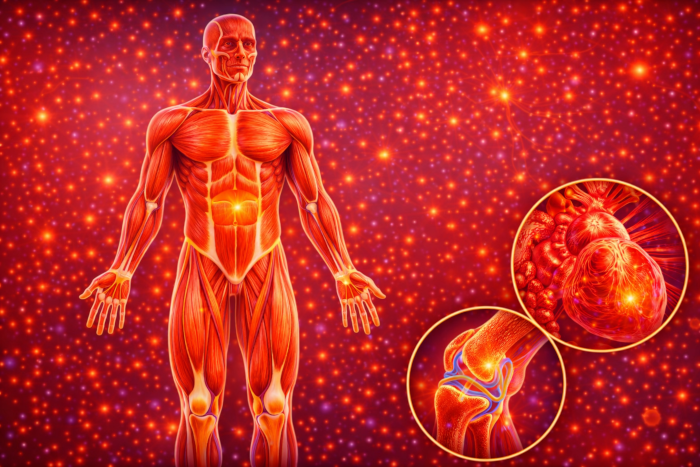
T3 and T4 are thyroid hormones that directly affect the function of the human muscular system. They regulate metabolic rate, energy production, and the functioning of muscle cells. Let us consider the main connections. 💪
1. Regulation of energy in muscles
The hormones T3 (triiodothyronine) and T4 (thyroxine) accelerate metabolism in cells, including muscle cells.
As a result:
- oxygen consumption by muscles increases
- ATP synthesis (cellular energy) increases
- the rate of energy metabolism rises
➡️ Because of this, muscles receive more energy for contraction and work.
2. Influence on muscle growth and development
T3 and T4:
- stimulate protein synthesis in muscle cells
- participate in the formation of muscle tissue
- regulate the renewal of muscle fibers
This is especially important:
- during childhood
- during growth and development of the body.
3. Influence on muscle strength and tone
A normal hormone level maintains:
- normal muscle tone
- strong muscle contractions
- proper coordination of movements.
4. What happens when hormone levels are disturbed
In hypothyroidism (low T3 and T4 levels):
- muscle weakness
- rapid fatigue
- muscle pain
- decreased strength
In hyperthyroidism (high T3 and T4 levels):
- muscle weakness
- decreased muscle mass
- tremor (muscle shaking)
✅ Conclusion:
T3 and T4 regulate metabolism in muscles and influence their growth, strength,
and ability to contract. Disturbances in their levels lead to various problems
in the muscular system.
Mechanism of action of T3 in a muscle cell
The mechanism of action of T3 (triiodothyronine) in a muscle cell is mainly associated with regulation of gene expression and changes in cellular metabolism.
1. Entry of T3 into the muscle cell
T3 enters the muscle cell through special membrane transport proteins.
Then it:
- passes through the cytoplasm
- moves toward the cell nucleus.
2. Binding to receptors in the nucleus
Inside the nucleus, T3 binds to specific thyroid hormone receptors (TR) located on DNA.
The complex:
T3 + TR receptor → binds to DNA regions (TRE).
This leads to:
- activation or suppression of transcription of specific genes.
3. Changes in protein synthesis
After gene activation, the synthesis of proteins important for muscle function increases.
Main effects:
- increased synthesis of myosin and other contractile proteins
- increased enzymes of energy metabolism
- increased mitochondrial proteins
As a result:
- ATP production increases
- the contraction speed of muscle fibers increases.
4. Influence on mitochondria and energy
T3 increases:
- the number of mitochondria
- activity of the respiratory chain
- oxidation of glucose and fatty acids
➡️ The muscle cell begins to produce more energy.
5. Influence on muscle fiber types
T3 can change the expression of myosin isoforms, therefore:
- the proportion of fast muscle fibers (type II) increases
- the speed of muscle contraction rises.
✅ Summary of the mechanism:
1. T3 enters the muscle cell
2. penetrates into the nucleus
3. binds to thyroid hormone receptors
4. activates genes
5. increases protein synthesis and mitochondrial activity
6. enhances the strength and speed of muscle function.
Musculoskeletal (Skeletal) System
- bones
- skull
- vertebral column
- ribs
- sternum
- shoulder girdle bones
- pelvic bones
- upper limb bones
- lower limb bones
- joints
- ligaments
- cartilage
Mechanism of action (MOA)
Our nano-iodine contains its main component — iodine. This iodine serves as a source of iodine for the thyroid gland, which is necessary for the synthesis of the hormones T3 (triiodothyronine) and T4 (tetraiodothyronine, or thyroxine). Thus, our nano-iodine, as an iodine-containing preparation, helps normalize the quality and levels of thyroid hormones T3 (triiodothyronine) and T4 (tetraiodothyronine, or thyroxine).
In addition, our iodine preparation acts as a supplier of non-hormonal iodine to every cell of the body, since each cell contains the NIS receptor (sodium-iodide symporter). This, in turn, contributes to the proper functioning and reproduction of mitochondria in every cell of the body.
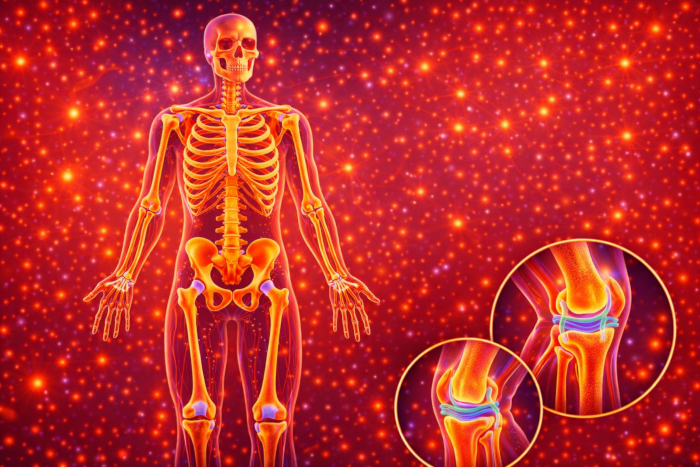
The relationship between thyroid hormones T3 (triiodothyronine) and T4 (thyroxine) with calcitonin directly affects the condition of the musculoskeletal system (bones and joints). These hormones regulate calcium metabolism, bone tissue growth, and its strength. 🦴
1. T3 and T4: influence on bones and muscles
The hormones T3 and T4 regulate the metabolic rate and the activity of bone tissue cells.
Main effects:
- stimulate bone growth in childhood and adolescence
- regulate the function of bone-forming cells (osteoblasts)
- accelerate the renewal of bone tissue
- influence muscle strength and tone
Disorders:
In case of excess hormones (hyperthyroidism):
- destruction of bone tissue accelerates
- bone density decreases
- the risk of developing osteoporosis increases
- muscle weakness appears
In case of hormone deficiency (hypothyroidism):
- bone growth slows down
- pain appears in muscles and joints
- stiffness of movements occurs
2. Calcitonin: protection of bone tissue
Calcitonin is a hormone of the thyroid gland that regulates calcium and phosphorus levels in the body.
Its main functions:
- reduces the level of calcium in the blood
- inhibits the activity of cells that destroy bone tissue (osteoclasts)
- promotes the accumulation of calcium in bones
Due to this, calcitonin:
- strengthens bone tissue
- reduces its destruction
- helps protect the body from osteoporosis
3. How T3, T4, and calcitonin work together
The relationship between these hormones is manifested in their combined effect on bone tissue.
T3 is the active metabolic hormone. It regulates bone growth and the rate of bone renewal.
T4 is the precursor of T3. It maintains normal metabolism in bone tissue and ensures the formation of the active hormone.
Calcitonin controls calcium levels in the blood and inhibits bone destruction, helping maintain bone mineral density.
The balance of these hormones ensures:
- normal bone density
- proper calcium and phosphorus metabolism
- healthy joints and muscles
- strength and resistance of the skeleton to physical loads
✅ Conclusion:
The hormones T3 and T4 regulate the rate of growth and renewal of bone tissue, while calcitonin controls calcium metabolism and protects bones from destruction. Their coordinated action supports the health and strength of the musculoskeletal system.
1. Influence on skeletal growth
The hormones T3 and T4 play a key role in skeletal formation during childhood and adolescence. They:
- stimulate bone growth in length
- participate in the formation of bone growth zones
- enhance the effect of growth hormone
If these hormones are insufficient in childhood:
- growth retardation may occur
- bone development slows down
- skeletal formation may be impaired
2. Influence on calcium-phosphorus metabolism
T3 and T4 indirectly participate in calcium and phosphorus metabolism, which are the main minerals of bone tissue.
They:
- regulate the rate of metabolic processes in bones
- influence calcium absorption in the intestine
- help maintain bone mineral density
3. Relationship with other hormones
For bone health, the coordinated work of several hormones is important.
In addition to T3, T4, and calcitonin, bone tissue is influenced by:
- parathyroid hormone — increases calcium levels in the blood and enhances the release of calcium from bones
- vitamin D — improves calcium absorption and strengthens bone tissue
Thus, the condition of the skeleton depends on the balance of several hormonal systems.
4. Influence on muscles
Thyroid hormones affect not only bones but also muscle tissue, which is part of the musculoskeletal system.
They:
- regulate muscle tone
- influence muscle strength and endurance
- participate in the energy metabolism of muscle tissue
When thyroid function is disrupted, the following may occur:
- muscle weakness
- rapid fatigue
- muscle pain
✅ Conclusion:
For the normal functioning of the musculoskeletal system, hormonal balance is essential. T3 and T4 regulate bone metabolism and growth, calcitonin protects bones from destruction, and together with other hormones they maintain bone strength and normal muscle function.
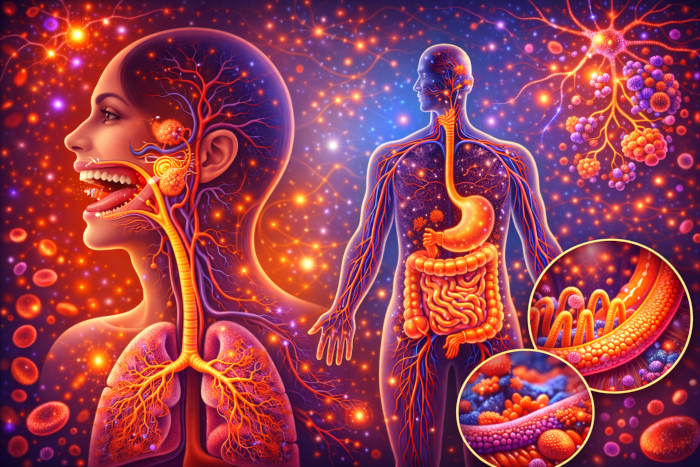
Digestive System
- oral cavity
- teeth
- tongue
- salivary glands
- pharynx
- esophagus
- stomach
- small intestine
- duodenum
- jejunum
- ileum
- large intestine
- cecum
- appendix
- colon
- sigmoid colon
- rectum
- anus
- liver
- gallbladder
- pancreas
Mechanism of action (MOA)
Our nano-iodine contains its main component — iodine. This iodine serves as a source of iodine for the thyroid gland, which is necessary for the synthesis of the hormones T3 (triiodothyronine) and T4 (tetraiodothyronine, or thyroxine). Thus, our nano-iodine, as an iodine-containing preparation, helps normalize the quality and levels of thyroid hormones T3 (triiodothyronine) and T4 (tetraiodothyronine, or thyroxine).
In addition, our iodine preparation acts as a supplier of non-hormonal iodine to every cell of the body, since each cell contains the NIS receptor (sodium-iodide symporter). This, in turn, contributes to the proper functioning and reproduction of mitochondria in every cell of the body.
The relationship of T3 and T4 hormones with all organs of the digestive system
T3 (triiodothyronine) and T4 (thyroxine) are hormones produced by the thyroid gland. They regulate metabolism, the speed of digestion, muscle activity, and the production of digestive juices. Therefore, they influence almost all organs of the digestive system — from the oral cavity to the anus.
1. Oral cavity
Digestion begins in the oral cavity. T3 and T4 influence tissue activity and metabolism.
Teeth
Thyroid hormones participate in the development and condition of dental tissue.
Hormonal disorders may cause enamel problems and increased tooth sensitivity.
Tongue
T3 and T4 affect the condition of the tongue muscles and taste receptors. In
hypothyroidism, the tongue may enlarge and become swollen.
Salivary glands
These hormones regulate metabolism in the salivary glands and indirectly
influence the production of saliva, which begins the breakdown of food.
2. Pharynx and esophagus
The pharynx participates in swallowing food.
The esophagus moves food to the stomach through peristalsis.
T3 and T4 regulate muscle activity; therefore, hormonal imbalance may lead to:
- slow swallowing
- a feeling of a lump in the throat
- impaired movement of food through the esophagus.
3. Stomach
The stomach is responsible for mechanical and chemical digestion.
T3 and T4 hormones:
- regulate gastric juice secretion
- influence the rate of stomach emptying
- support enzyme activity.
In hypothyroidism, digestion slows down, and heaviness and bloating
may occur.
In hyperthyroidism, digestion may accelerate, and acidity may increase.
4. Small intestine
The small intestine is the main organ for nutrient absorption. It consists of:
- duodenum
- jejunum
- ileum
T3 and T4 influence:
- intestinal peristalsis
- absorption of nutrients
- enzyme activity.
Low hormone levels may cause constipation and poor absorption, while high levels may cause rapid digestion and diarrhea.
5. Large intestine
The large intestine is responsible for water absorption and the formation of feces. It includes:
- cecum
- appendix
- colon
- sigmoid colon
- rectum
- anus
T3 and T4 regulate intestinal movement.
In hypothyroidism, constipation often occurs due to slower
peristalsis.
In hyperthyroidism, frequent bowel movements or diarrhea may occur.
6. Liver, gallbladder, and pancreas
Liver
Participates in the metabolism of T3 and T4 hormones and regulates:
- fat metabolism
- detoxification
- bile production.
Gallbladder
Stores and releases bile necessary for fat digestion. Thyroid hormones
influence fat metabolism and bile composition.
Pancreas
Produces digestive enzymes and hormones that regulate blood sugar levels. T3
and T4 influence metabolism and the activity of these processes.
✅ Conclusion
T3 and T4 hormones regulate:
- metabolism in all tissues
- the work of digestive tract muscles
- the production of digestive enzymes
- the speed of food movement.
Therefore, the condition of the oral cavity, esophagus, stomach, small and large intestine, liver, gallbladder, and pancreas largely depends on the normal functioning of the thyroid gland.
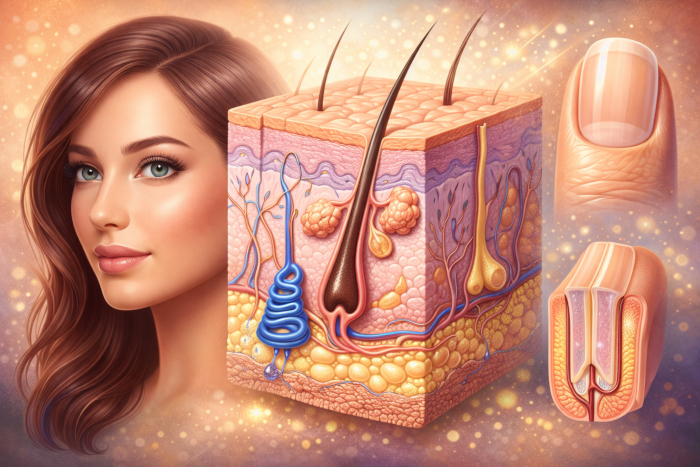
Integumentary System
- skin
- epidermis
- dermis
- subcutaneous tissue
- sweat glands
- sebaceous glands
- hair
- nails
Mechanism of action (MOA)
Our nano-iodine contains its main component — iodine. This iodine serves as a source of iodine for the thyroid gland, which is necessary for the synthesis of the hormones T3 (triiodothyronine) and T4 (tetraiodothyronine, or thyroxine). Thus, our nano-iodine, as an iodine-containing preparation, helps normalize the quality and levels of thyroid hormones T3 (triiodothyronine) and T4 (tetraiodothyronine, or thyroxine).
In addition, our iodine preparation acts as a supplier of non-hormonal iodine to every cell of the body, since each cell contains the NIS receptor (sodium-iodide symporter). This, in turn, contributes to the proper functioning and reproduction of mitochondria in every cell of the body.
Thyroid hormones T3 (triiodothyronine) and T4 (thyroxine) strongly influence the condition of the integumentary system — the skin and its derivatives. They regulate metabolism in cells, the rate of tissue renewal, the activity of glands, and the growth of hair and nails. Below is the relationship between each element of the integumentary system and health when T3 and T4 levels are normal.
1. Skin
The skin consists of the epidermis, dermis, and subcutaneous tissue (hypodermis).
Epidermis
- T3 and T4 accelerate the division of epidermal cells.
- They support skin renewal and smoothness.
With hormone deficiency (hypothyroidism):
- the skin becomes dry, rough, and flaky
- pallor and thickening of the skin appear.
With excess hormones (hyperthyroidism):
- the skin becomes thin, warm, and moist
- increased sweating occurs.
Dermis
- Hormones regulate the synthesis of collagen and elastin.
- They influence blood circulation in the skin.
Lack of T3/T4 may lead to:
- swelling of the skin
- reduced elasticity.
Subcutaneous tissue (hypodermis)
- Thyroid hormones regulate fat metabolism.
In hypothyroidism:
- fat accumulation and swelling may occur.
In hyperthyroidism:
- reduction of subcutaneous fat and weight loss.
2. Sweat glands
The function of sweat glands directly depends on metabolic activity.
- T3 and T4 stimulate sweating.
Hypothyroidism:
- reduced sweating
- dry skin.
Hyperthyroidism:
- excessive sweating
- skin becomes moist and warm.
3. Sebaceous glands
Sebaceous glands secrete sebum, which protects the skin.
T3 and T4:
- regulate sebum production
- maintain skin hydration.
Hypothyroidism:
- decreased sebum production
- skin becomes dry and rough.
Hyperthyroidism:
- increased skin oiliness.
4. Hair
T3 and T4:
- stimulate hair growth
- regulate the hair life cycle.
Hypothyroidism:
- hair becomes brittle and dry
- hair loss
- slowed growth.
Hyperthyroidism:
- hair becomes thin and may fall out.
5. Nails
Thyroid hormones affect the division of cells in the nail matrix.
Normal levels of T3 and T4:
- nails are strong and grow normally.
Hypothyroidism:
- nails are brittle and grow slowly.
Hyperthyroidism:
- nails may split and become soft.
✅ Conclusion
T3 and T4 hormones support the health of the entire integumentary system:
- skin (epidermis, dermis, subcutaneous tissue)
- sweat glands
- sebaceous glands
- hair
- nails
They regulate metabolism, cell growth, gland activity, and blood circulation in the skin. When hormone levels are disrupted, changes occur in the skin, hair, and nails.
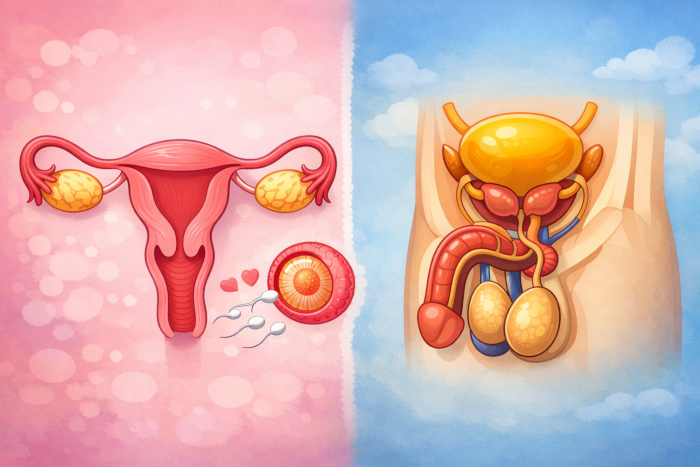
Reproductive System
Female:
- ovaries
- fallopian tubes
- uterus
- cervix
- vagina
- external genitalia
- mammary glands
Male:
- testes
- epididymis
- vas deferens
- seminal vesicles
- prostate gland
- bulbourethral glands
- penis
- scrotum
Mechanism of action (MOA)
Our nano-iodine contains its main component — iodine. This iodine serves as a source of iodine for the thyroid gland, which is necessary for the synthesis of the hormones T3 (triiodothyronine) and T4 (tetraiodothyronine, or thyroxine). Thus, our nano-iodine, as an iodine-containing preparation, helps normalize the quality and levels of thyroid hormones T3 (triiodothyronine) and T4 (tetraiodothyronine, or thyroxine).
In addition, our iodine preparation acts as a supplier of non-hormonal iodine to every cell of the body, since each cell contains the NIS receptor (sodium-iodide symporter). This, in turn, contributes to the proper functioning and reproduction of mitochondria in every cell of the body.
T3 (triiodothyronine) and T4 (thyroxine) are hormones produced by the thyroid gland. They regulate metabolism, tissue growth, energy balance, and the functioning of the hormonal system. These hormones are closely connected with the reproductive system, as they influence the production of sex hormones, cell maturation, and the function of reproductive organs.
Disorders of T3 and T4 levels (hypothyroidism or hyperthyroidism) can cause problems with fertility, the menstrual cycle, libido, and the development of sex cells.
Female reproductive system and the influence of T3/T4
Ovaries
- T3 and T4 affect follicle maturation and ovulation.
- Low hormone levels may cause anovulation and infertility.
Fallopian tubes
- Thyroid hormones support the normal peristalsis of the tubes, which is important for the movement of the egg cell.
Uterus
- T3 and T4 influence the growth and condition of the endometrium (uterine lining).
- Disorders may increase the risk of impaired embryo implantation.
Cervix
- Hormones regulate the production of cervical mucus, which is important for sperm passage.
Vagina
- They indirectly affect it through estrogens, maintaining normal microflora and mucosal health.
External genital organs (vulva)
- Hypothyroidism may cause dryness, reduced sensitivity, and decreased libido.
Mammary glands
- T3 and T4 participate in the development of breast tissue and interact with prolactin, influencing lactation.
Male reproductive system and the influence of T3/T4
Testes
- T3 regulates the maturation of sperm-producing cells.
- Hormonal imbalance may reduce spermatogenesis.
Epididymis
- Participates in the maturation and storage of sperm, processes that depend on a normal hormonal balance.
Vas deferens
- Thyroid hormones influence contractile activity, which helps transport sperm.
Seminal vesicles
- T3 and T4 indirectly regulate the secretion of fluid that forms part of semen.
Prostate gland
- Thyroid hormones affect the metabolism of prostate cells and the composition of prostatic fluid.
Bulbourethral glands
- Their secretion depends on the overall hormonal balance of the body.
Penis
- T3/T4 disorders may cause decreased libido and erectile dysfunction.
Scrotum
- Indirectly depends on hormonal balance, which affects thermoregulation and testicular function.
✅ Conclusion:
T3 and T4 are key hormones that, through regulating metabolism and interacting with sex hormones, influence all organs of the reproductive system.
In women:
- ovaries
- fallopian tubes
- uterus
- cervix
- vagina
- external genital organs (vulva)
- mammary glands
In men:
- testes
- epididymis
- vas deferens
- seminal vesicles
- prostate gland
- bulbourethral glands
- penis
- scrotum
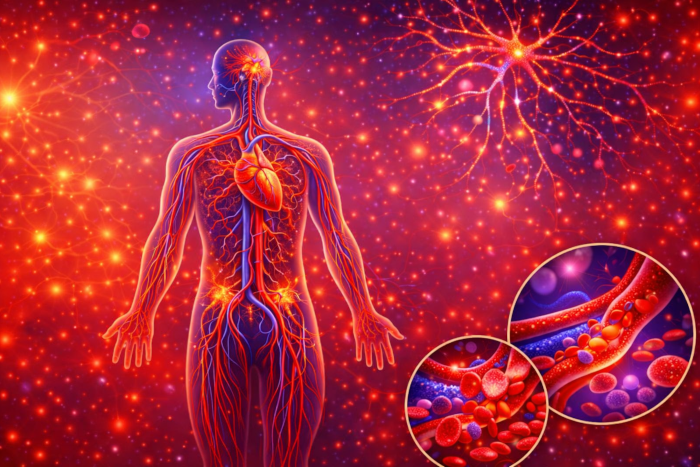
Cardiovascular System
- heart
- aorta
- arteries
- arterioles
- capillaries
- venules
- veins
- blood
Mechanism of action (MOA)
Our nano-iodine contains its main component — iodine. This iodine serves as a source of iodine for the thyroid gland, which is necessary for the synthesis of the hormones T3 (triiodothyronine) and T4 (tetraiodothyronine, or thyroxine). Thus, our nano-iodine, as an iodine-containing preparation, helps normalize the quality and levels of thyroid hormones T3 (triiodothyronine) and T4 (tetraiodothyronine, or thyroxine).
In addition, our iodine preparation acts as a supplier of non-hormonal iodine to every cell of the body, since each cell contains the NIS receptor (sodium-iodide symporter). This, in turn, contributes to the proper functioning and reproduction of mitochondria in every cell of the body.
T3 (triiodothyronine) and T4 (thyroxine) are hormones of the thyroid gland. They have a strong influence on the functioning of the cardiovascular system. These hormones regulate metabolic rate, the strength and frequency of heart contractions, as well as the condition of blood vessels and blood.
Below is how T3 and T4 are related to the health of each organ and element of the cardiovascular system you listed.
1. Heart
T3 directly affects heart cells.
Normal levels of T3/T4:
- normal heart rate
- strong contraction of the heart muscle
- stable heart rhythm
Excess hormones (hyperthyroidism):
- tachycardia
- arrhythmias
- increased workload on the heart
Hormone deficiency (hypothyroidism):
- slow pulse
- weak heart contractions
- possible heart failure
2. Aorta
T3 affects the elasticity of large blood vessels.
Normally:
- elasticity of the aortic wall is maintained
- normal blood pressure
In hypothyroidism:
- blood vessels become more rigid
- risk of atherosclerosis increases
3. Arteries
T3 and T4 regulate the tone of the arterial wall.
Effects:
- dilation of blood vessels
- improved blood flow
- regulation of blood pressure
Hormone deficiency:
- increased peripheral resistance
- risk of hypertension
4. Arterioles
Arterioles regulate the distribution of blood to tissues.
T3:
- reduces vascular resistance
- increases blood flow to organs
- improves microcirculation
5. Capillaries
Thyroid hormones:
- stimulate the formation of new capillaries
- improve the exchange of oxygen and nutrients
- increase tissue blood supply
In hypothyroidism, tissue nutrition may worsen.
6. Venules
T3 and T4 influence the venous return of blood to the heart.
They:
- regulate venous vessel tone
- help maintain normal circulating blood volume
7. Veins
Thyroid hormones:
- maintain venous tone
- influence the speed of blood return to the heart
Hormonal imbalance may cause:
- blood stagnation
- edema (often in hypothyroidism).
8. Blood
T3 and T4 regulate:
- red blood cell production
- hemoglobin level
- speed of blood circulation
In hypothyroidism:
- anemia
- slowed blood flow may occur.
✅ Conclusion:
T3 and T4 regulate the entire cardiovascular system — from the heart and aorta
to the smallest capillaries and blood composition. Their normal levels ensure:
- proper heart rhythm
- vascular elasticity
- normal blood pressure
- effective blood circulation.
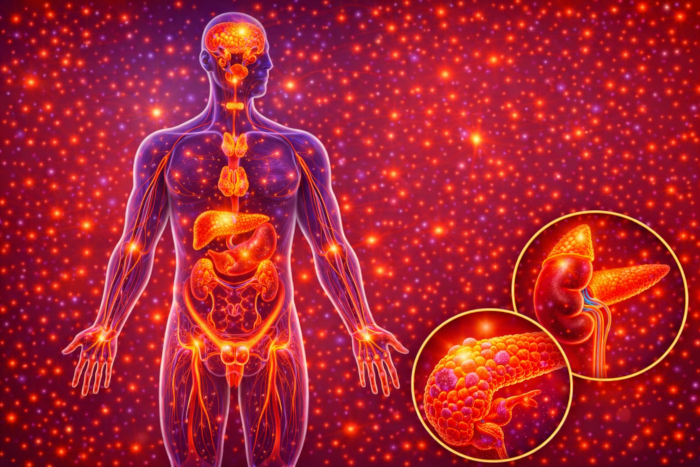
Endocrine System
- hypothalamus
- pituitary gland
- pineal gland
- thyroid gland
- parathyroid glands
- adrenal glands
- pancreas (islets of Langerhans)
- thymus
- ovaries
- testes
Mechanism of action (MOA)
Our nano-iodine contains its main component — iodine. This iodine serves as a source of iodine for the thyroid gland, which is necessary for the synthesis of the hormones T3 (triiodothyronine) and T4 (tetraiodothyronine, or thyroxine). Thus, our nano-iodine, as an iodine-containing preparation, helps normalize the quality and levels of thyroid hormones T3 (triiodothyronine) and T4 (tetraiodothyronine, or thyroxine).
In addition, our iodine preparation acts as a supplier of non-hormonal iodine to every cell of the body, since each cell contains the NIS receptor (sodium-iodide symporter). This, in turn, contributes to the proper functioning and reproduction of mitochondria in every cell of the body.
T3 and T4 are hormones of the thyroid gland, but they influence almost the entire endocrine system and the functioning of many organs. Below is how they are related to each organ in the list.
🧠 Hypothalamus
The hypothalamus is the main regulator of the endocrine system.
Connection with T3 and T4:
- the hypothalamus releases TRH (thyrotropin-releasing hormone)
- TRH stimulates the pituitary gland to release TSH
- TSH stimulates the thyroid gland to produce T3 and T4
If T3 and T4 are too high, the hypothalamus reduces TRH production — this is called negative feedback.
🧠 Pituitary Gland
The pituitary gland is the “master gland” of the endocrine system.
Connection:
- the pituitary gland secretes TSH (thyroid-stimulating hormone)
- TSH stimulates the thyroid gland to produce T3 and T4
If T3/T4 levels are high → TSH decreases
If T3/T4 levels are low → TSH increases
🌙 Pineal Gland
The pineal gland produces melatonin.
Connection:
- T3 and T4 regulate metabolism and circadian rhythms
- through metabolism they can indirectly influence melatonin production and sleep
🦋 Thyroid Gland
This is the organ that produces T3 and T4.
Functions of these hormones:
- regulate metabolism
- influence body temperature
- regulate heart function
- affect brain growth and development
- regulate energy metabolism
⚪ Parathyroid Glands
They produce parathyroid hormone (PTH) which regulates calcium levels.
Connection with T3/T4:
- thyroid hormones influence calcium and bone metabolism
- in hyperthyroidism, bone tissue breakdown increases.
🔺 Adrenal Glands
They produce:
- cortisol
- adrenaline
- aldosterone
Connection:
T3 and T4 increase tissue sensitivity to adrenaline, which affects:
- heart rate
- blood pressure
- stress response
🧬 Pancreas (Islets of Langerhans)
Produces:
- insulin
- glucagon
Connection:
T3 and T4:
- accelerate glucose metabolism
- increase energy consumption by cells
- may influence insulin sensitivity
🛡 Thymus
The thymus is responsible for the maturation of T-lymphocytes.
Connection:
Thyroid hormones:
- influence the development of the immune system
- may affect T-cell activity
♀ Ovaries
Produce:
- estrogen
- progesterone
Connection:
T3/T4 affect:
- the menstrual cycle
- fertility
- ovulation
In hypothyroidism, menstrual cycle disorders are common.
♂ Testes
Produce testosterone.
Connection with T3/T4:
- regulate the metabolism of sex hormones
- influence spermatogenesis
- thyroid dysfunction may lead to reduced fertility
✅ Main idea:
T3 and T4 are thyroid hormones, but they regulate the metabolism of
the whole body, which is why they influence the function of almost all
organs of the endocrine system.